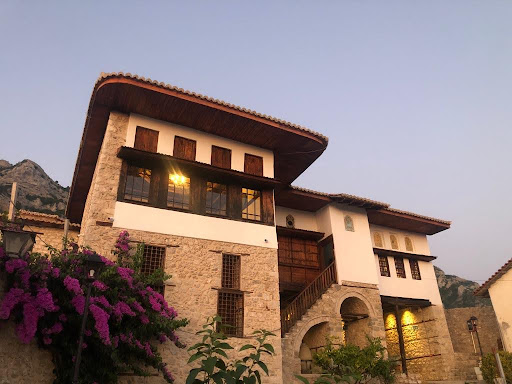
Following an extensive restoration and reconceptualization process, the Ethnographic Museum of Kruja has officially reopened its doors. As a first-category cultural monument, the museum stands as yet another major cultural heritage site revitalized through the “EU4Culture” program.
With a total budget of €850,000, the restoration work spanned approximately two years. The project was funded by the European Union through the “EU4Culture” initiative and implemented by UNOPS in close collaboration with the Ministry of Economy, Culture, and Innovation (MEKI).
The inauguration ceremony on Tuesday was attended by high-profile officials, including Blendi Gonxhja, Minister of Economy, Culture, and Innovation; Silvio Gonzato, EU Ambassador to Albania; and Freya von Groote, UNOPS Representative, among other prominent personalities.
A Growing Hub for Tourism and Heritage
During the event, Minister Blendi Gonxhja emphasized that cultural heritage is far more than just a point of pride. He revealed that the Kruja Museum Center—which encompasses both the Gjergj Kastrioti (Skanderbeg) Museum and the Ethnographic Museum—has seen a spectacular 110% surge in visitors, reaching 75,000 tourists compared to the first half of 2023.
Minister Gonxhja noted that this regional transformation initially began with the restoration of the Old Bazaar, progressed to the castle museum complex, and has now culminated in the complete renovation of the Ethnographic Museum.
“With its five-century-old values and artifacts, this museum offers an incredibly valuable asset to Kruja and every single visitor. I am confident that the complete redesign of this space, the new exhibition layout, and the addition of interactive elements will enhance the museum’s enchanting appeal, providing a unique and unforgettable experience for everyone,” stated Minister Gonxhja.
EU Ambassador Silvio Gonzato highlighted that “EU4Culture” is one of the largest and most ambitious cultural heritage programs ever funded by the European Union. “We have already renovated 14 cultural heritage sites, while work is actively ongoing at another 9 locations,” Ambassador Gonzato shared.
Freya von Groote, Director of the UNOPS Austria Office, added that the museum would not only enrich the lives of Albanians but also stimulate the local economy and create new income opportunities. She expressed gratitude toward the local experts, including conservators, architects, engineers, curators, ethnographers, artisans, and multimedia specialists whose collective efforts brought the museum back to life.
Inside the Restoration Process
A primary focus of the two-year project was the meticulous handling of artifacts during the conservation phase, ensuring everything aligned with contemporary museum standards. The restoration work included:
-
Structural conservation of the historic building.
-
Restoration of painted wall surfaces and historical furniture.
-
Comprehensive infrastructural upgrades.
A crucial part of the project involved completely rethinking the museum layout to make it highly accessible and easy to navigate, utilizing modern display and interpretation techniques.
Integration of Multimedia
A standout innovation in the revamped museum is the integration of multimedia elements designed to engage modern visitors. New interactive features include:
-
A virtual dressing room to try on traditional clothing.
-
Audio guides and tablets displaying visual recreations of ancient crafts.
-
Video projections demonstrating historic pottery-making techniques.
While the museum celebrated its grand reopening this week, the project timeline experienced delays; the restoration was originally projected to conclude within eight months of its February 2022 launch.
A Museum Rich in History: The Toptani Residence
Nestled inside the historic Kruja Castle, the Ethnographic Museum is housed in a building constructed in 1764 that originally served as the private residence of the prominent Ottoman-Albanian Toptani family.
As a cornerstone of Albanian cultural heritage, the museum offers a fascinating window into the country’s rich culture, customs, and traditions. Visitors can explore the daily routines, family celebrations, and significant milestones of past generations.
Furthermore, the site provides educational insights into the traditional production of local staples like olive oil and raki. The extensive collection of 18th-century artifacts on display includes authentic clothing, specialized trade tools, and objects used in daily household life.