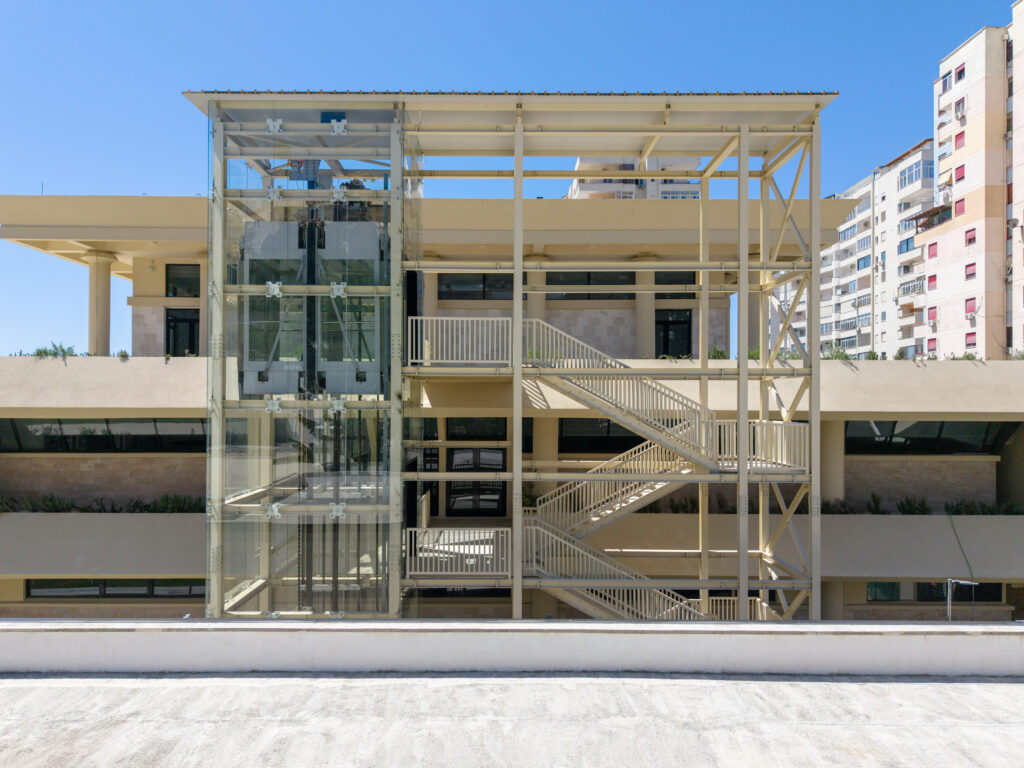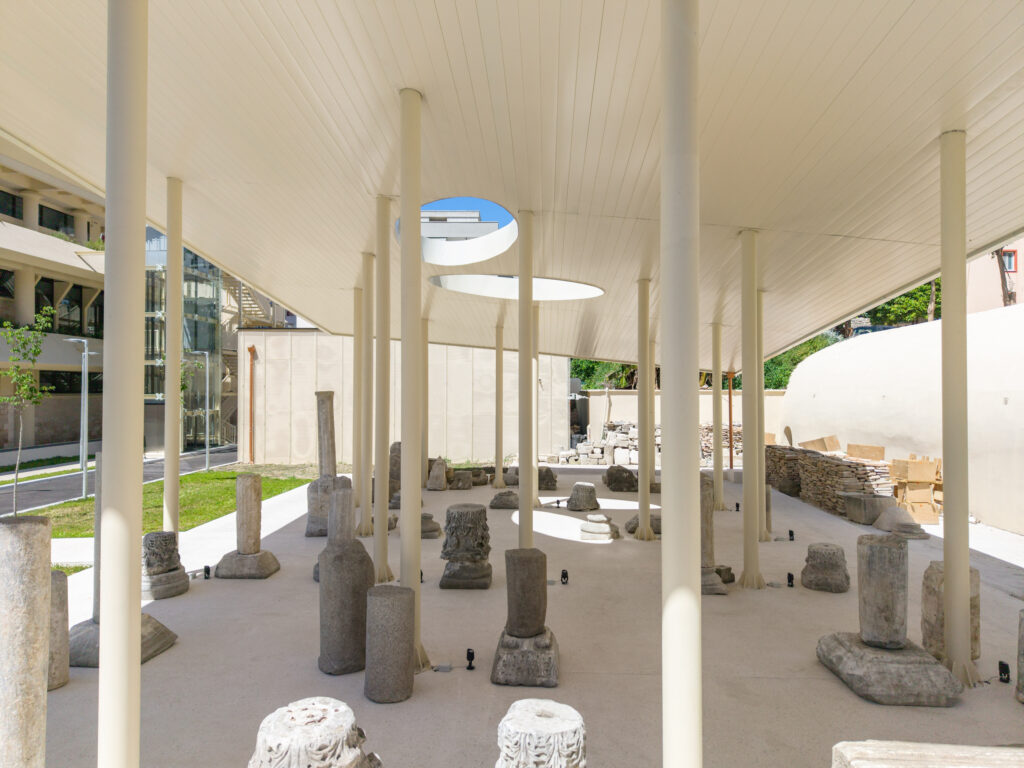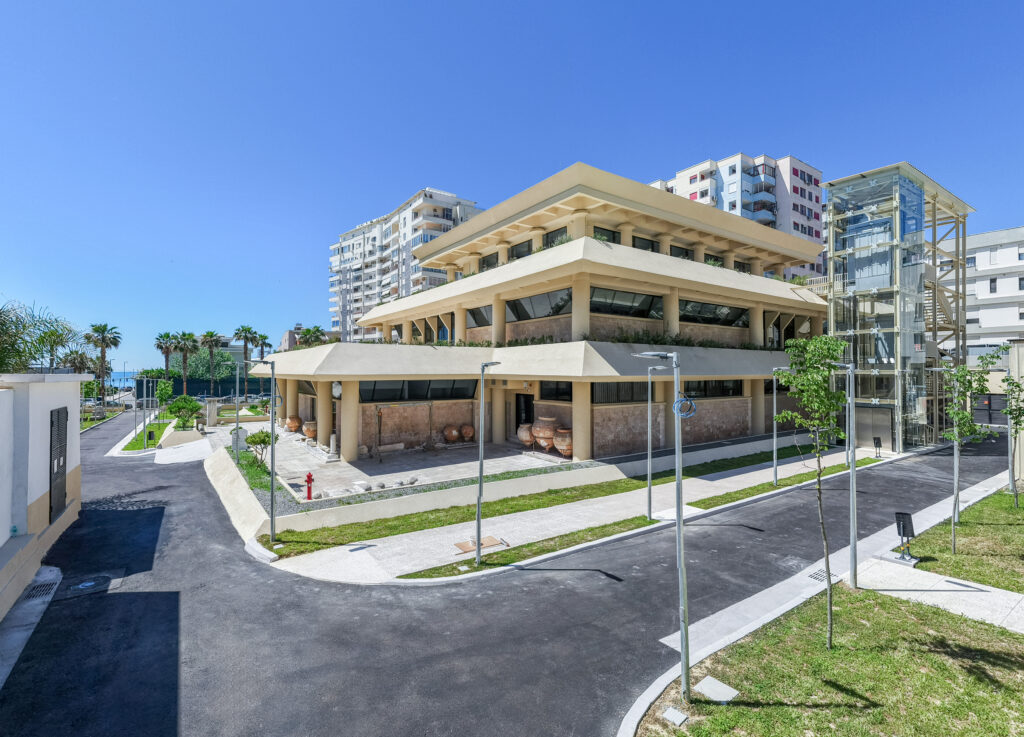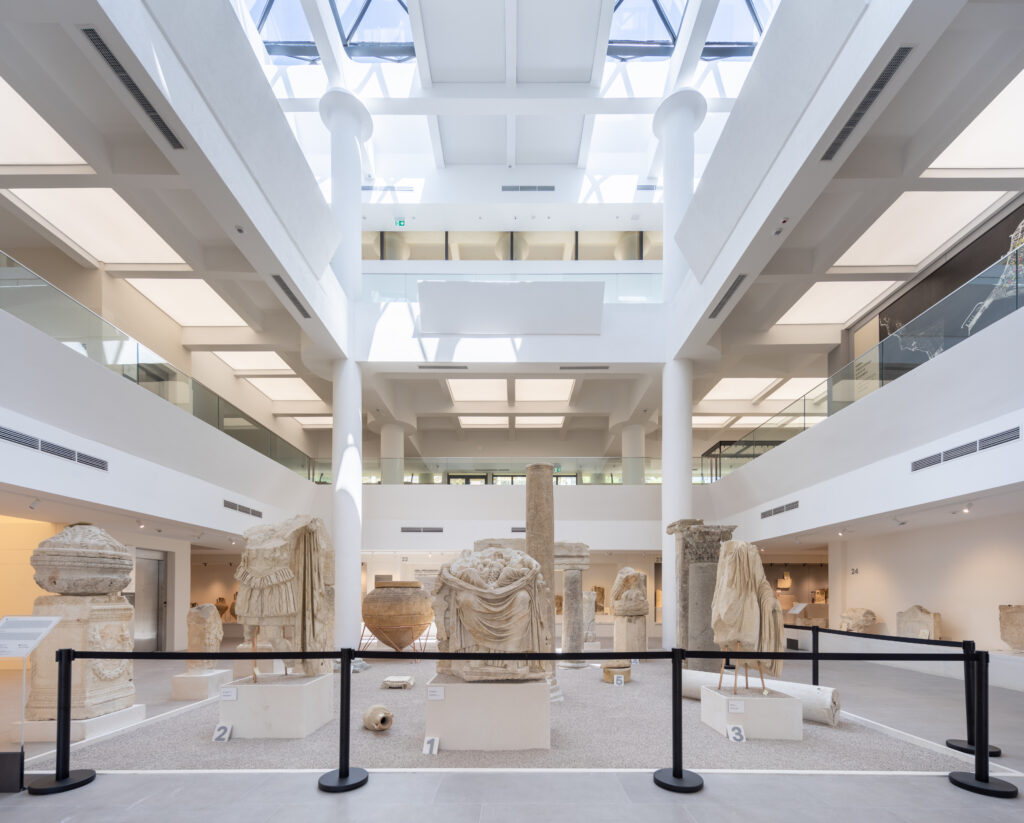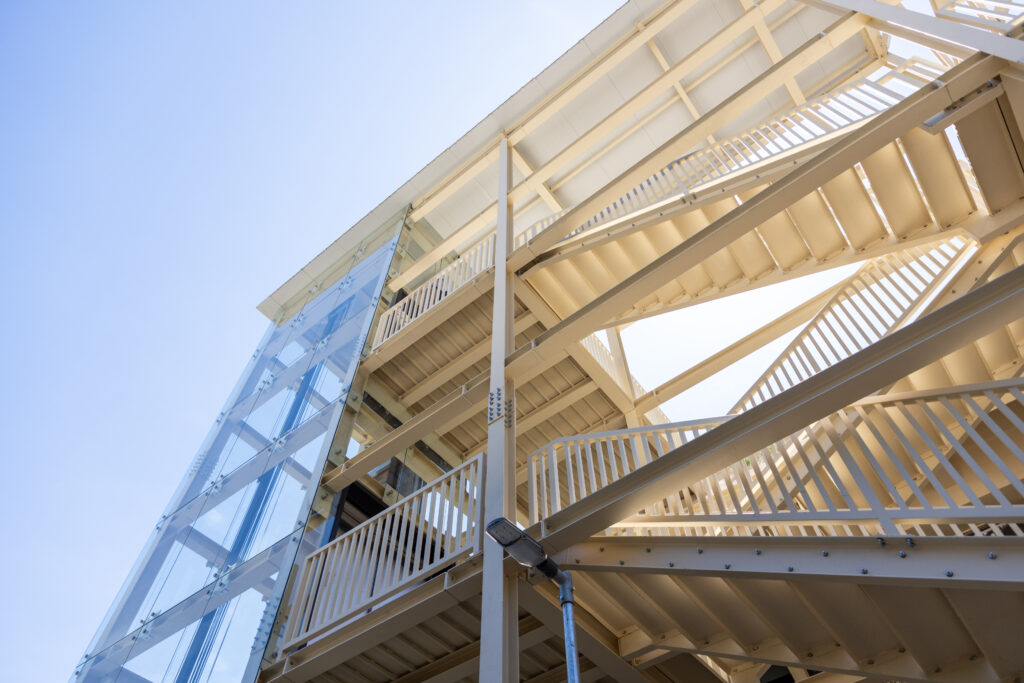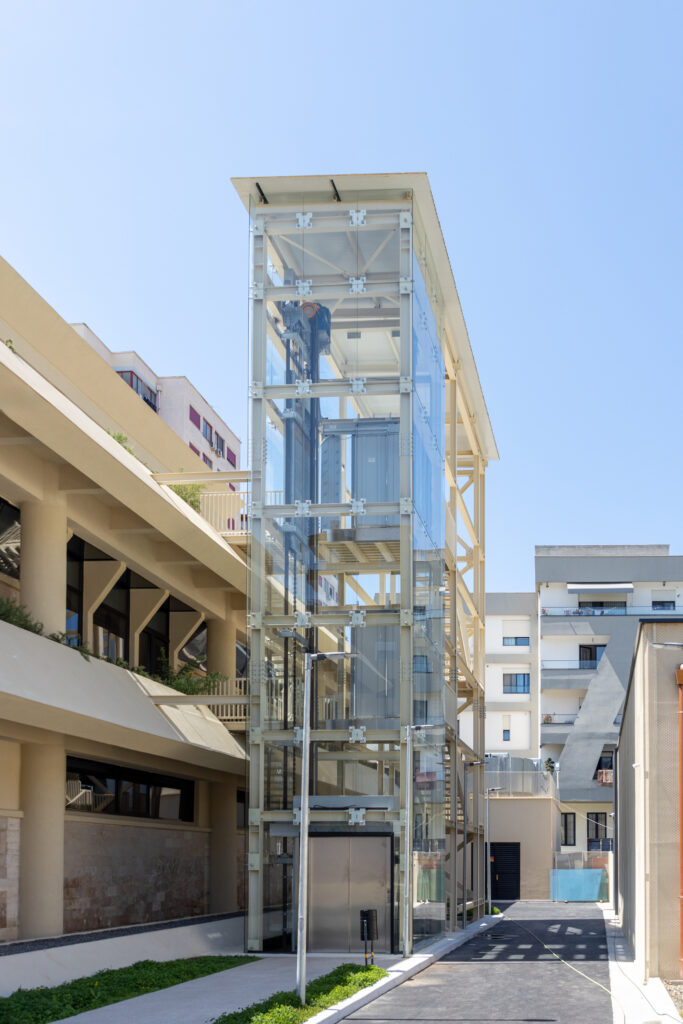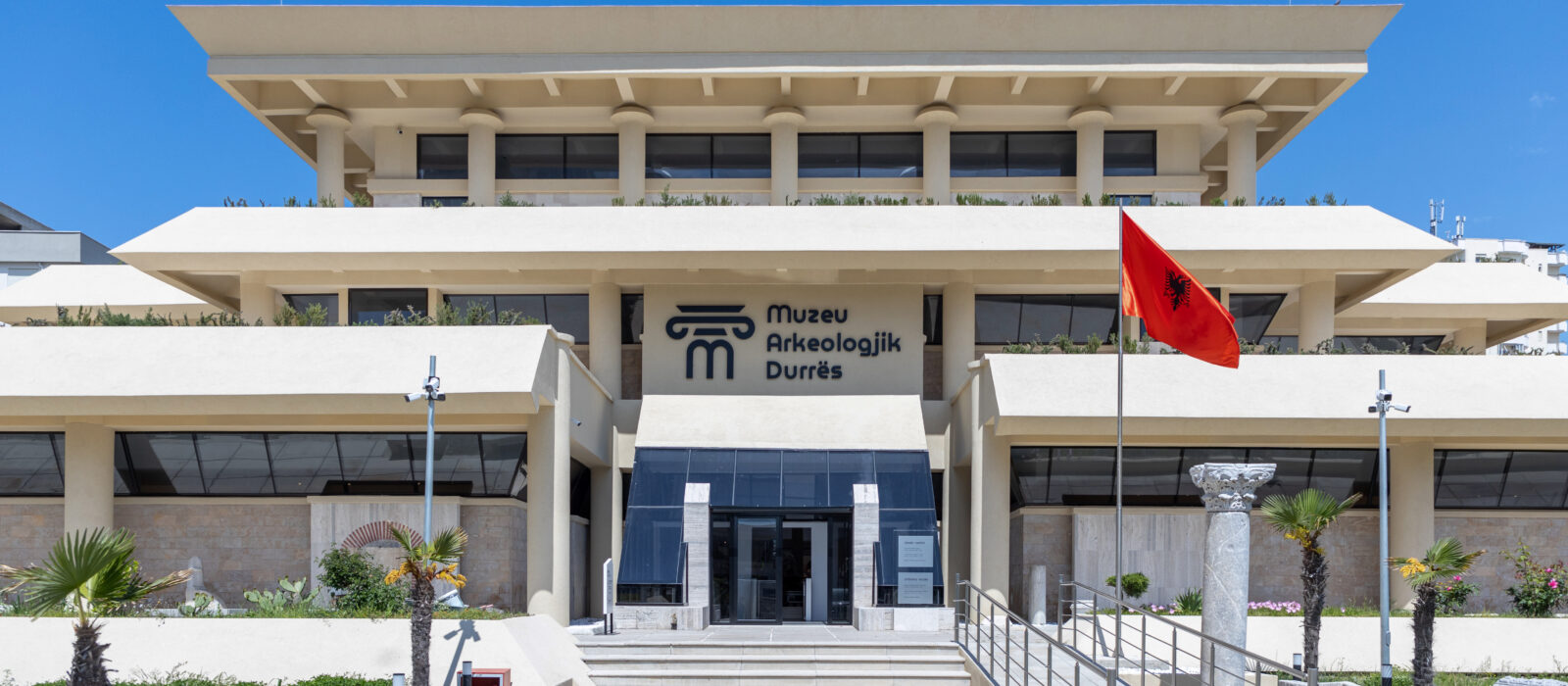
Following a long period of restoration and reconceptualization, the Archaeological Museum of Durrës has reopened its doors to the public, unveiling a completely renovated space that seamlessly blends historical heritage with a contemporary museological approach. This return represents more than just the physical restoration of a building; it is the result of a profound professional process encompassing scientific research, meticulous curation, and the use of modern technologies to interpret history.
A History That Continues to Build
The museum has a long history dating back to 1951, when its first collections were housed in a two-story villa in the city of Durrës. Later, in 1999, the archaeological funds were moved to the current building, creating a larger exhibition center for one of the region’s richest cities in terms of historical layers.
Over the decades, the museum has served as a living archive of the civilizations that passed through this territory: from the Illyrian period to the Roman, Byzantine, Medieval, and beyond. Today’s reopening marks a new phase of development for the institution, where the preservation of heritage goes hand in hand with fresh methods of interpretation and public communication.
Comprehensive Restoration and a Modern Approach
The restoration process was comprehensive, involving not only structural interventions to the building, but also a complete overhaul of how the artifacts are presented. Architects, restorers, and curators collaborated to create a space that meets contemporary standards of museology.
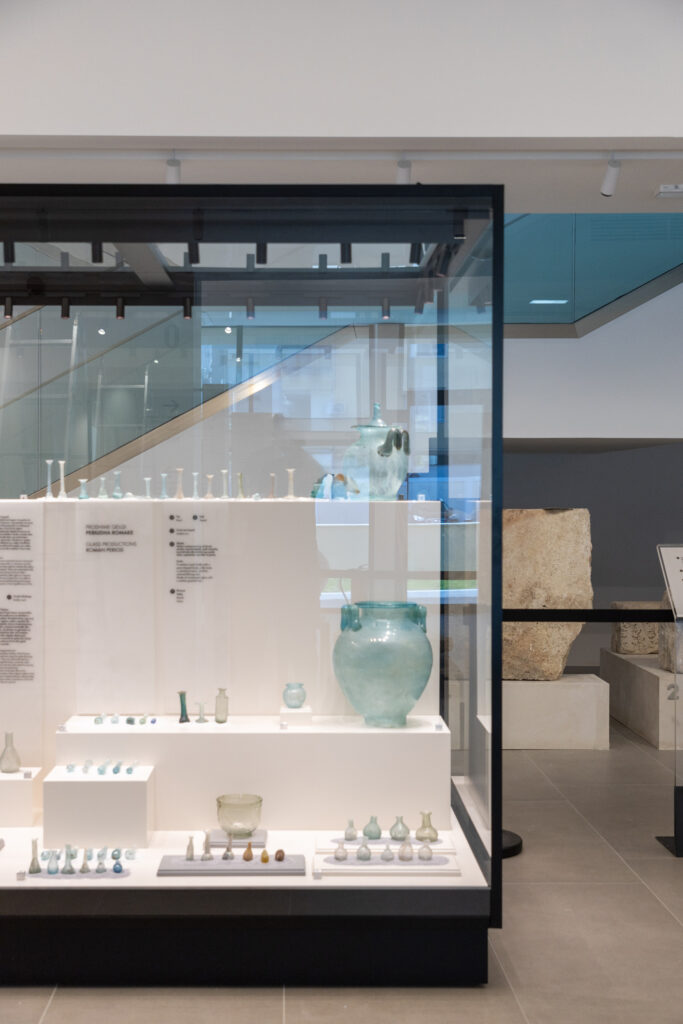
Special care was given to preserving the integrity of the objects, many of which are unique fragments of the region’s history. Their restoration required specialized expertise and advanced conservation techniques to ensure they remain stable for future generations.
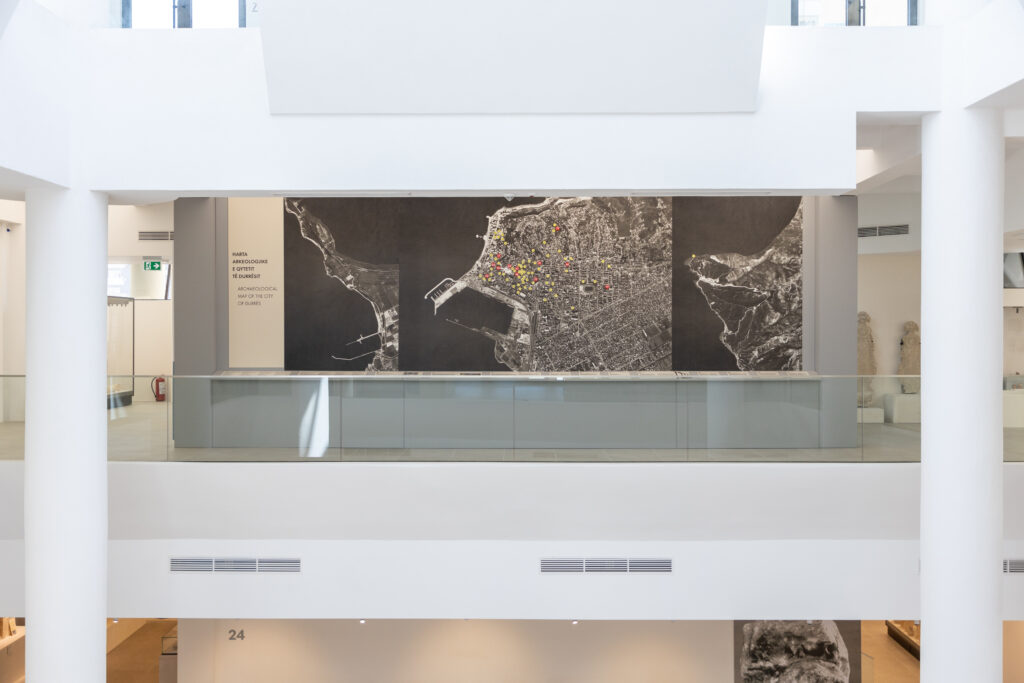
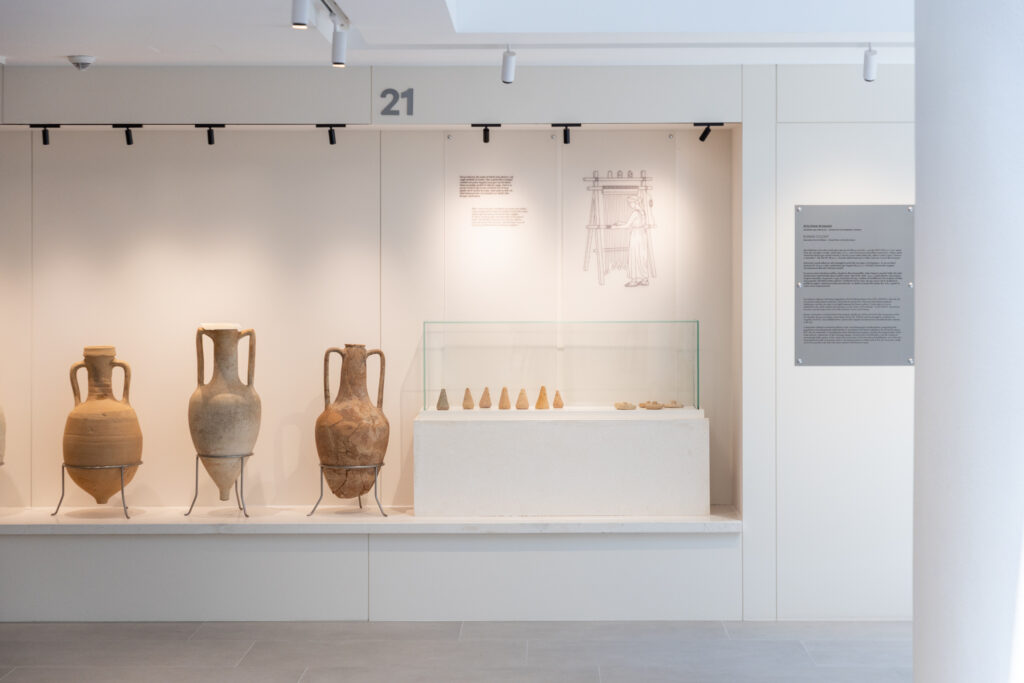
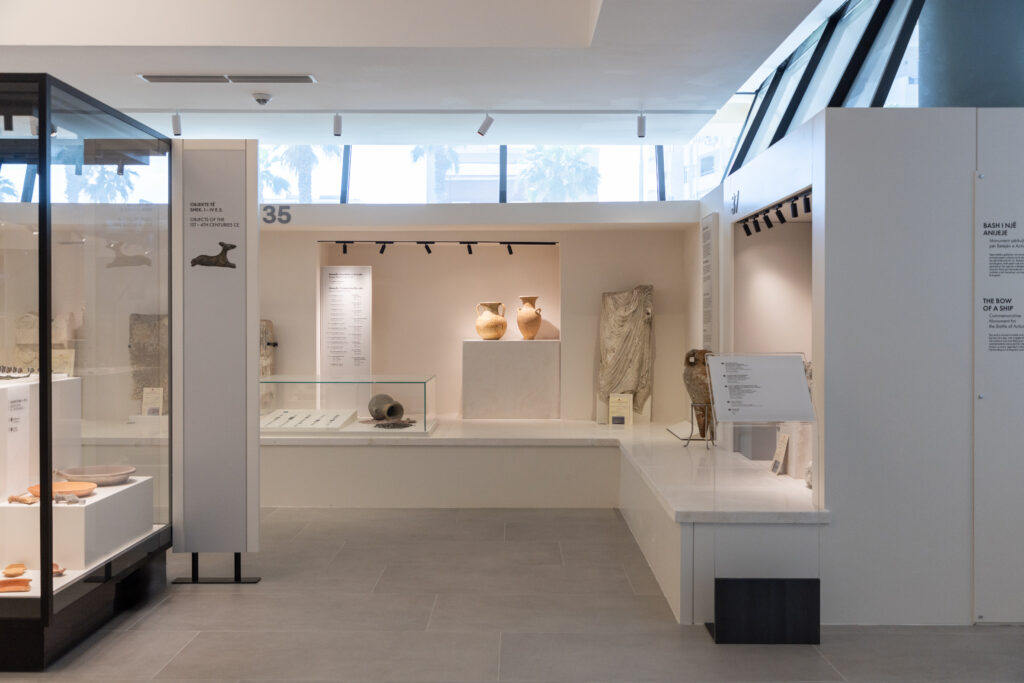
At the same time, the interior spaces were redesigned to create a clearer flow, allowing visitors a more structured and understandable experience. The lighting, signage, and organization of the pavilions were all designed to highlight the value of each artifact and establish a continuous historical narrative.
Meticulous Curation and a New Narrative
One of the most significant aspects of the reopening is the new curation of the collections. Over 3,200 artifacts have been selected and organized into reconceptualized pavilions, creating a clear narrative of the development of the city and region over the centuries.
Curator Yllka Gjikopulli worked to build a history that is not merely chronological, but also thematic. Objects are grouped by function, context, and period, giving visitors the chance to understand not just when, but also why and howthey were used.
This fresh approach makes the museum more accessible to a broader audience, including ordinary visitors, students, and tourists, alongside academic specialists. Explanations are clear, well-structured, and supported by visual materials that aid in interpreting the artifacts.
Integration of Technology
A key element of the transformation is the use of technology to enrich the visitor experience. The exhibits feature interactive elements that allow for a more direct engagement with history.
Through digital installations, visitors can explore reconstructions of the ancient city, understand the function of objects within their original contexts, and track the urban development of Durrës over time. This approach transforms the museum from a simple exhibition space into an educational and experiential environment.
Technology does not replace the physical object; rather, it complements it, forging a stronger connection between the past and the present. This is particularly vital for younger generations, who are more inclined toward interactive learning.
The Contribution of Specialists
The reopening of the museum is the result of teamwork by a wide array of professionals: the curator, archaeologists, restorers, architects, engineers, and technology specialists. Each played a crucial role in this complex process.
-
Archaeologists contributed to identifying and interpreting the objects, ensuring every artifact was placed in its proper historical context.
-
Restorers worked dedicatedly to bring time-damaged pieces back to optimal condition.
-
Curators wove the narrative that binds all these elements into a single, cohesive story.
This interdisciplinary collaboration serves as a successful model for cultural heritage management.
A Vibrant Cultural Space
The museum is envisioned not only as a place to display objects, but as a living cultural hub that will host a variety of activities: temporary exhibitions, educational events, workshops, and programs for children and youth.
This approach expands the museum’s role within the community, turning it into an active center of cultural life. Through these initiatives, the museum aims to build a stronger bond with the public and foster a deeper interest in history and heritage.
Significance for the City and Beyond
The reopening of the museum holds special significance not just for Durrës, but for the entire country. As one of the oldest cities in the region, Durrës represents a key node in Mediterranean history, and the museum is a primary vehicle for presenting this narrative. In this context, it serves as a bridge between the past and the future, contributing to the preservation of cultural identity and its international promotion.
A New Standard for Museology
The transformation of the Archaeological Museum of Durrës sets a new benchmark for how cultural heritage is handled. It demonstrates that restoration is not merely a technical task, but a creative process requiring vision, collaboration, and dedication.
By combining artifact preservation, thoughtful curation, and the integration of technology, the museum delivers a complete experience for the visitor. It is no longer just a repository for artifacts, but a space where history is interpreted, communicated, and truly experienced.
The reopening marks a milestone for cultural heritage in Albania. Through long and careful effort, this institution has been transformed into a modern space that honors the past while speaking directly to the present.