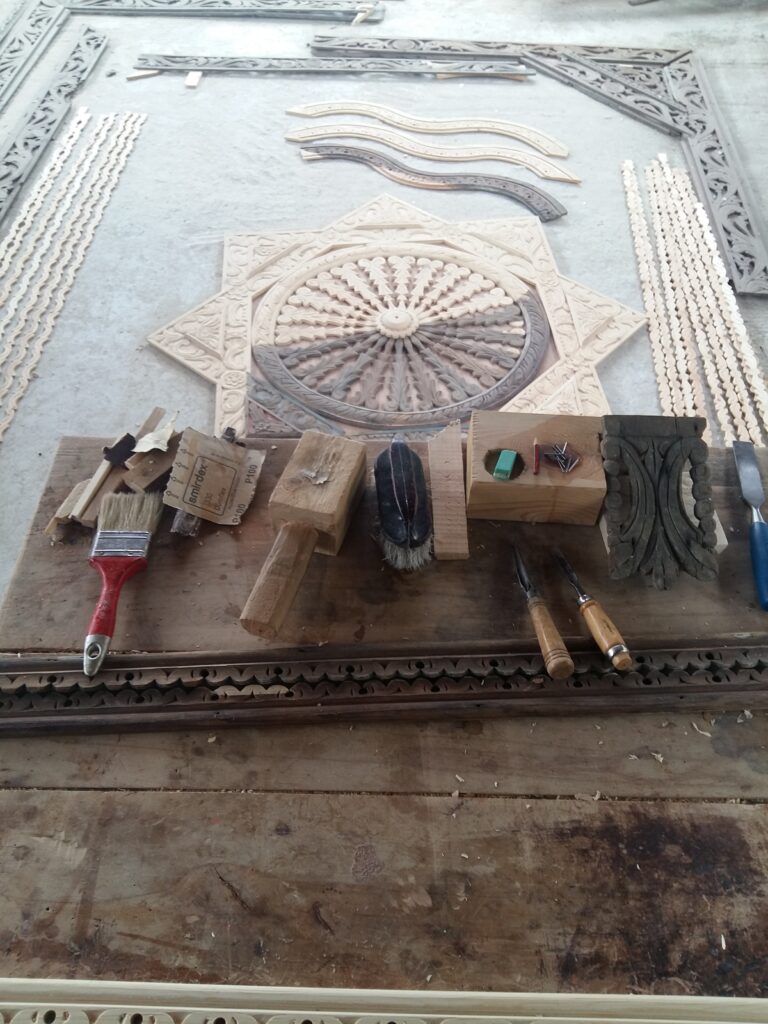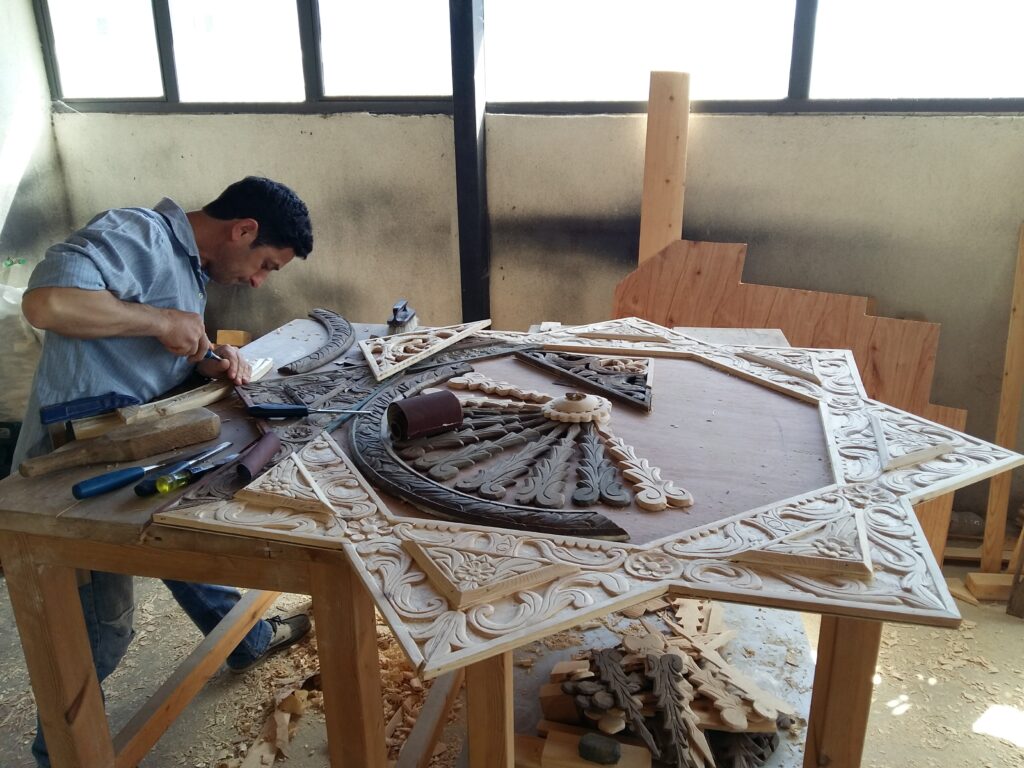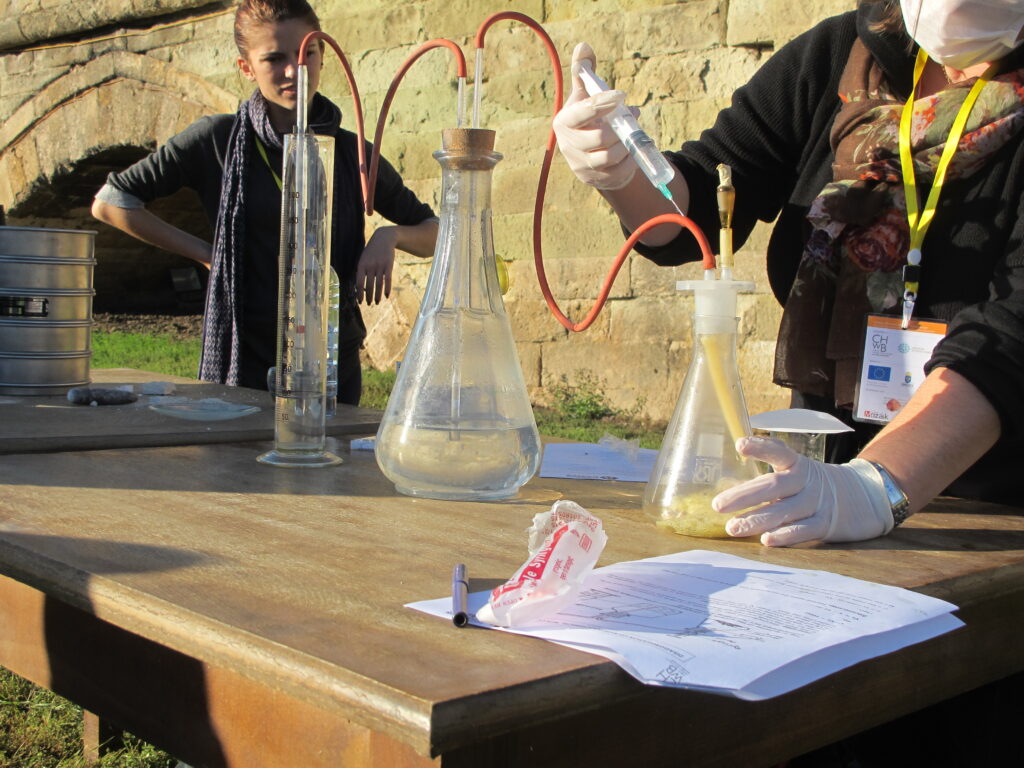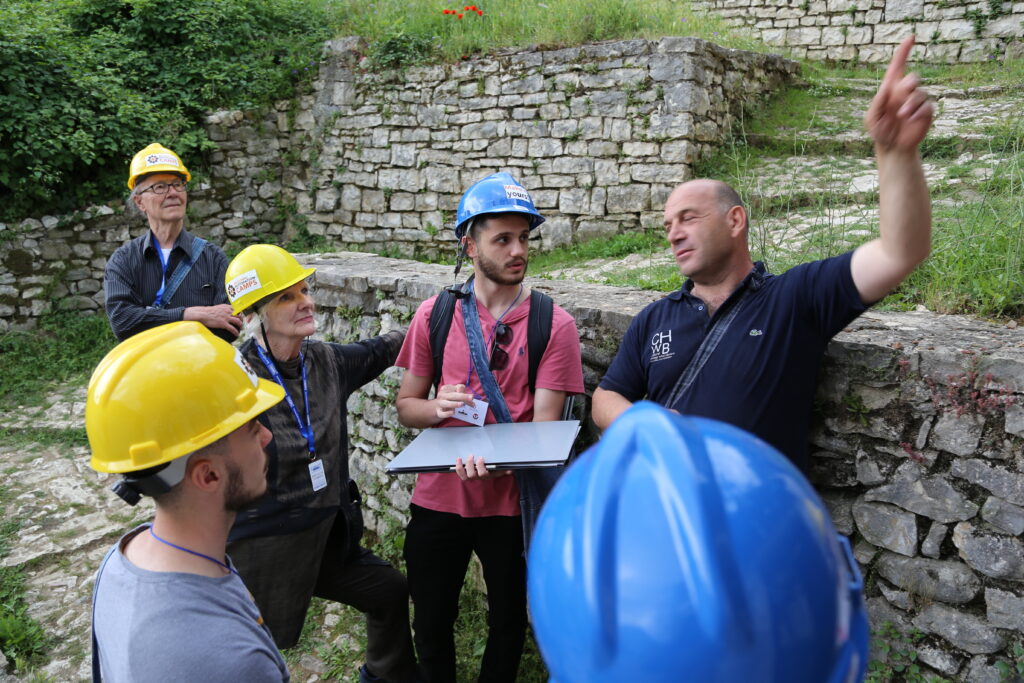
Training programmes that build conservation skills and pass traditional craft knowledge to new generations.
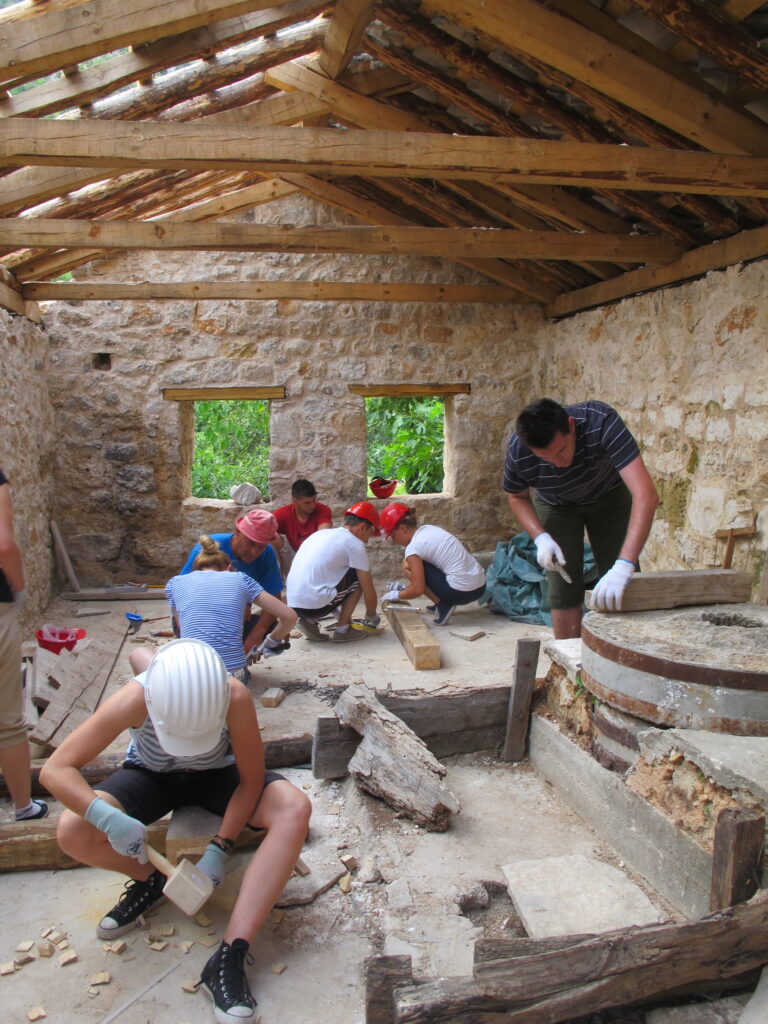
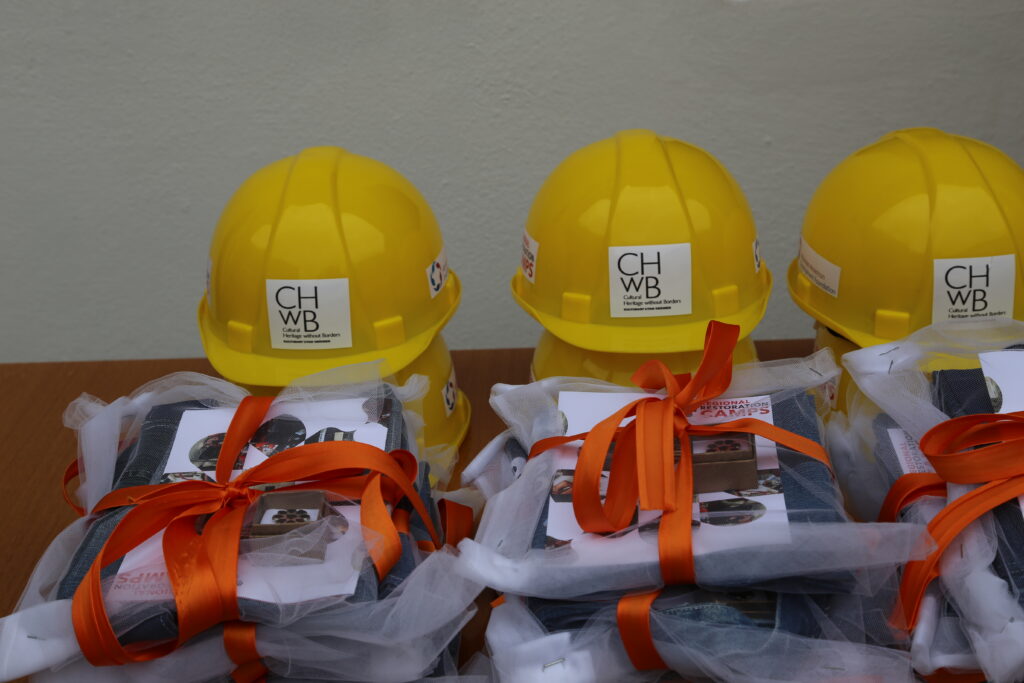
Regional Restoration Camps
With Cultural Heritage without Borders Albania
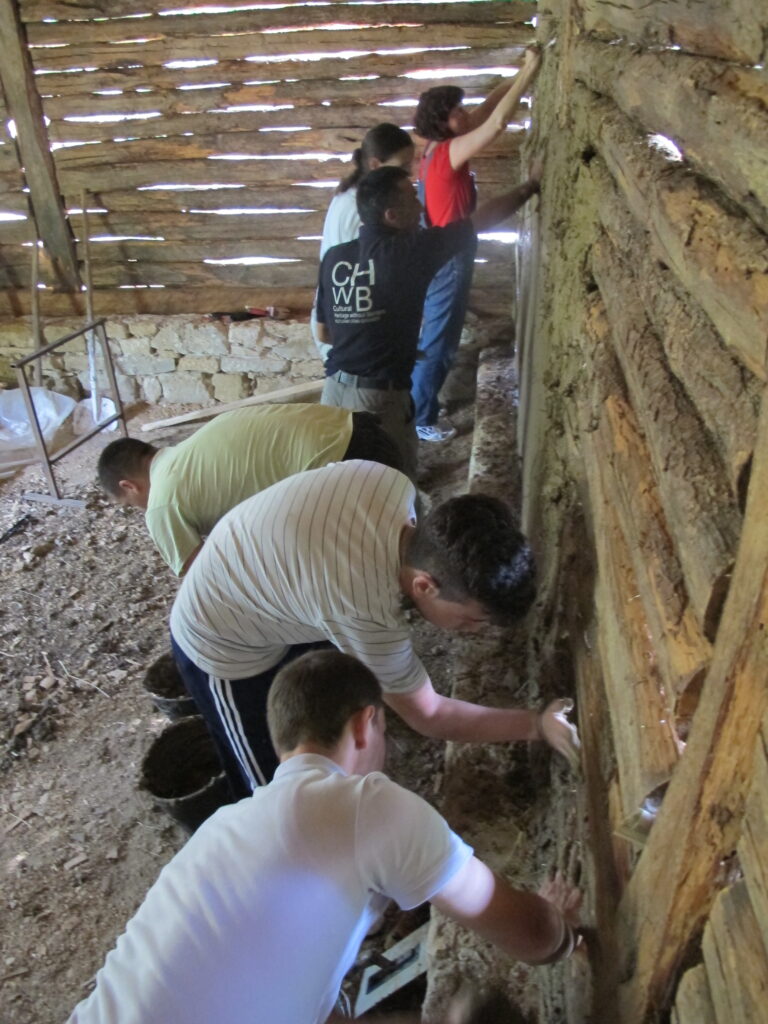
- Strengthened skills in professional ethics, traditional building techniques, conservation, documentation, heritage management, interpretation, local practices and teamwork.
- Fostered cross-cultural and cross-sector collaboration among participants, stakeholders, institutions and local communities.
- Increased appreciation of cultural heritage as a tool for peacebuilding, sustainability and the preservation of traditional crafts and practices.
- Encouraged greater shared responsibility for safeguarding and interpreting cultural heritage in both urban and rural contexts.
- Built a strong sense of collective achievement, connection and community engagement.
Vocational Training for Historical Repair Techniques
With Cultural Heritage without Borders, for the Ministry of Economics, Energy, Transport and Regional Development; State of Hessen; the National Institute for Cultural Heritage; and the Ministry of Culture of Albania
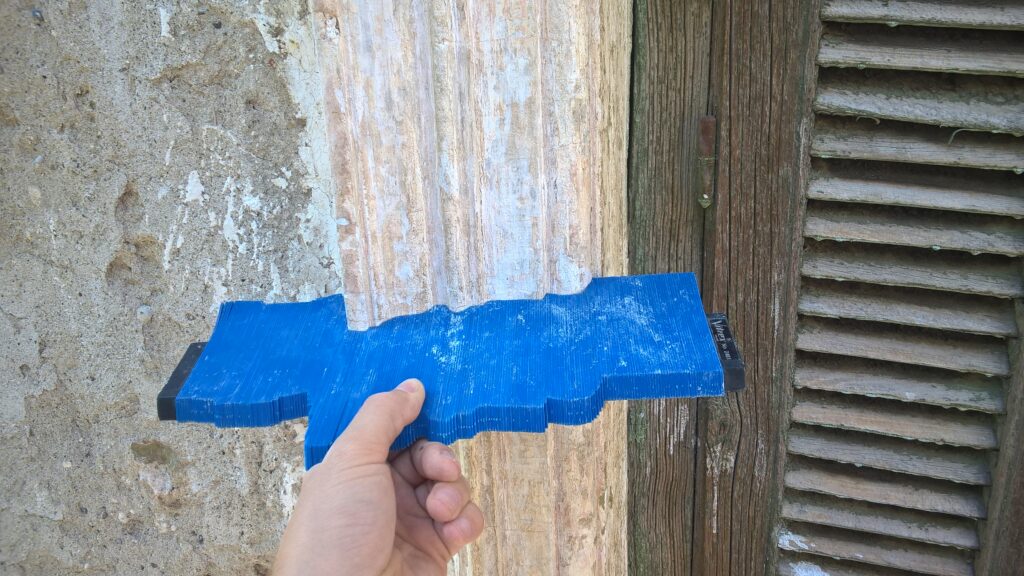
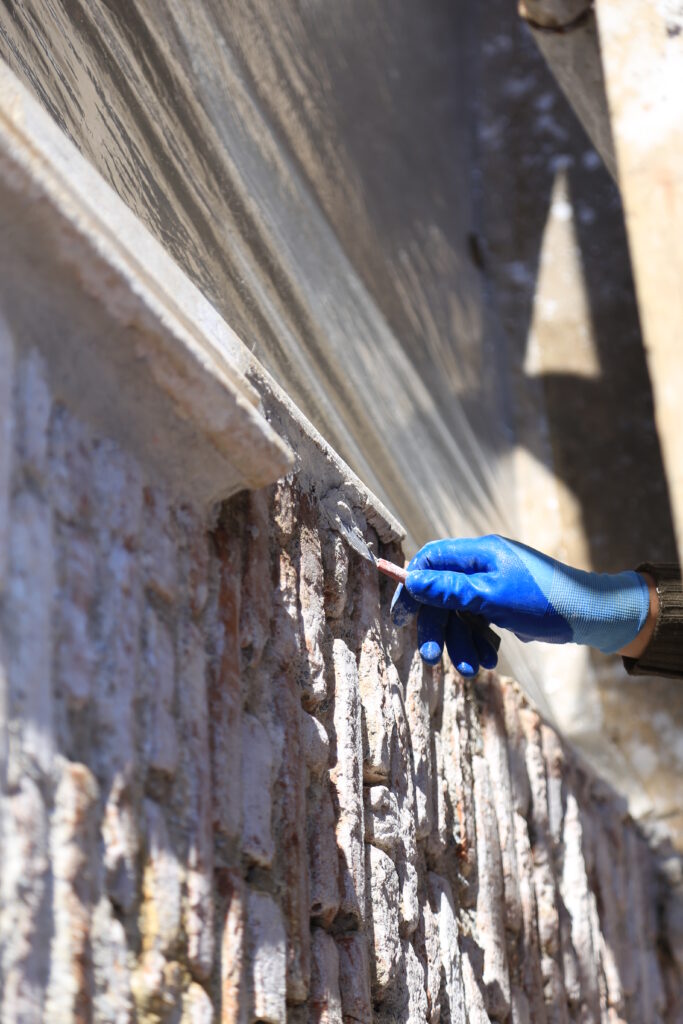
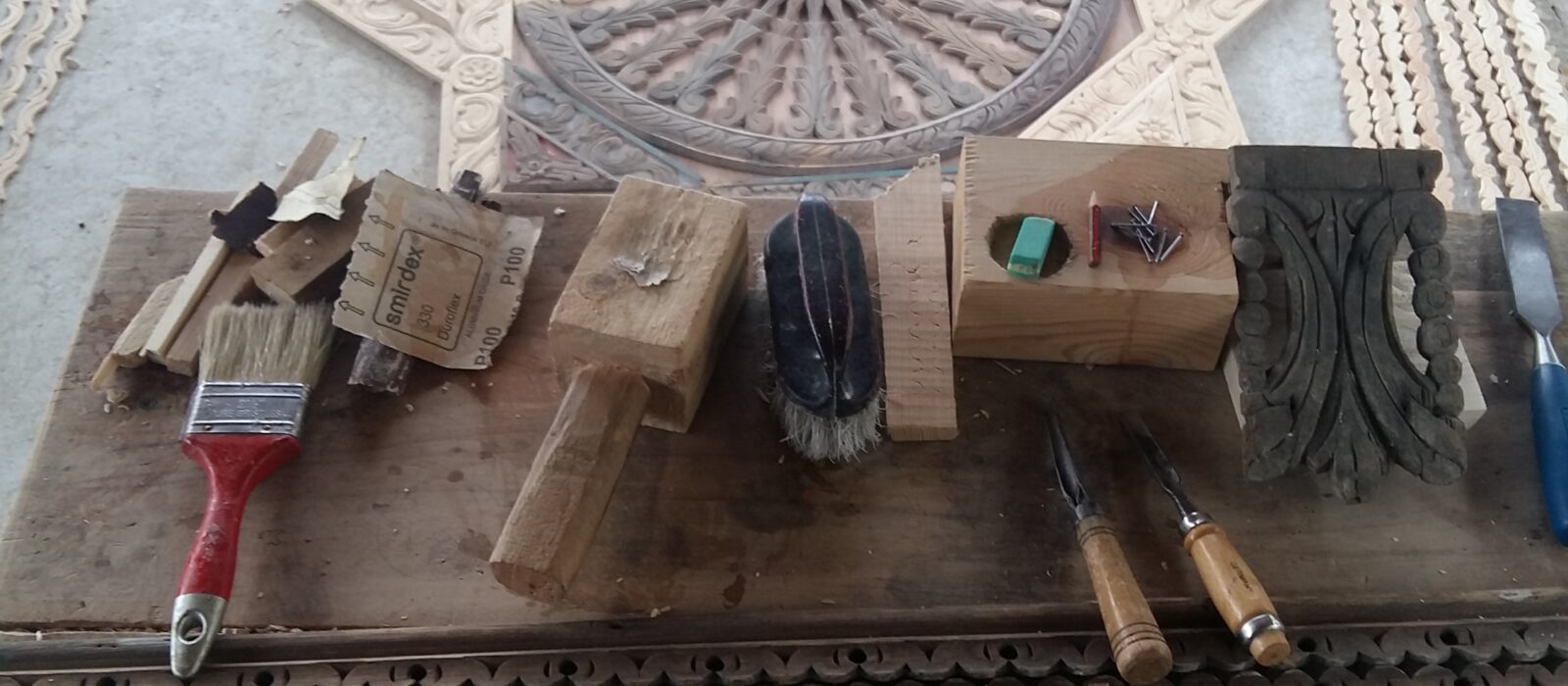
- Developed and piloted vocational training pathways in traditional repair, conservation and heritage crafts, combining theory with hands-on apprenticeship models for youth and emerging craftspeople.
- Expanded the national TVET framework through new vocational modules and certification pathways focused on traditional construction materials, conservation techniques and heritage professions.
- Strengthened institutional capacity by supporting the South East European Center for Conservation and Restoration and cooperating with the Chamber of Crafts to deliver accredited training and certification.
- Promoted employment opportunities for youth, women and craftspeople from migration-affected areas through skills development linked directly to the labour market.
- Advanced the recognition and long-term sustainability of traditional craftsmanship by supporting legislative and professional mechanisms requiring certified craftspeople in heritage and construction interventions.